
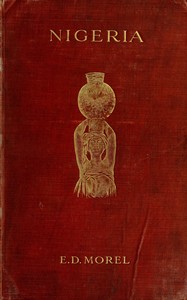
Nigeria : Its peoples and its problems by E. D. Morel
Forget the textbook version of colonialism. Edmund Morel, a British journalist and activist, had a front-row seat to the mess in West Africa and the Congo. And he wrote this book not as a cool-headed historian, but as a man who was furious. In Nigeria: Its Peoples and Its Problems, he asks a brutally simple question: If civilization was meant to improve lives, why did it break so many?
The Story
Morel doesn't just list dates and names. He walks you through Nigerians as real people – traders, farmers, chiefs – and shows their own governments, cultures, and rights. Then he drop-kicks a British reader of 1911 with the uncomfortable part: How commercial companies grabbed land and forced labor, stripping local leaders of power while calling it “order.” He argues that a Christian government should know better. Plain and simple.
Why You Should Read It
I picked this up thinking it'd be dust and dead language. Instead, Morel sounds like a loud friend in a coffee shop, ranting about corporate greed. It’s heartfelt, and he also shows deep respect for Nigerians – calling them organized, clever, and historically rich. When leaders today still point fingers over resource struggles, this old book feels new. It changed how I see newspapers that claim to export freedom.
Final Verdict
Perfect for book clubs curious about how people lived through that ugly part of history. Also great if you love travel diaries that double as righteous anger journals. It's honest, raw, and oddly hopeful – because Morel really believed things could change if people paid attention. If you like straightforward thoughts on justice without a fancy modern filter, grab this.
This digital edition is based on a public domain text. It serves as a testament to our shared literary heritage.



Emily Jackson
6 months agoI appreciate the objective tone and the evidence-based approach.