
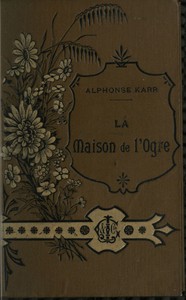
La Maison de l'Ogre by Alphonse Karr
Alphonse Karr’s La Maison de l’Ogre is a sharp little story that packs a real punch. Written in the 1800s, it feels fresh because it’s about something timeless: how people love a good rumor.
The Story
The plot is straightforward. In a French village, there’s a big, lonely house that everyone avoids. The man who lives there is a complete recluse. No one sees him. Because of this, the villagers have decided he must be a monster—an 'ogre.' They whisper about terrible things he must have done. They warn their children to stay away. The house and its owner become the local ghost story, a symbol of everything dark and unknown.
Everything changes when a traveler comes to town. He hears the rumors but isn’t convinced. Instead of avoiding the house, he decides to visit the so-called ogre. What he finds isn’t a beast, but a broken man. Through their conversation, the traveler—and we, the readers—learn the tragic truth. The 'ogre' is just a profoundly sad person, crushed by a personal loss. He hides away not because he’s evil, but because he’s heartbroken and the world’s cruelty has made his pain worse.
Why You Should Read It
This book hooked me because it turns the idea of a monster on its head. Karr isn’t interested in fantasy creatures; he’s interested in the monsters we make of each other. The real villain of the story isn’t the man in the house—it’s the thoughtless gossip of the village. Each whispered story is like a brick in the wall isolating him further.
I found the recluse to be a deeply sympathetic character. His isolation isn’t chosen; it’s forced upon him by a society that would rather fear than understand. The traveler acts as our guide, showing us the power of a simple, kind act: just knocking on a door and listening.
Final Verdict
La Maison de l’Ogre is a perfect pick for readers who love character studies and social commentary. If you enjoy stories that explore how communities function (or dysfunction) and the human cost of prejudice, you’ll appreciate this. It’s also great for classic literature fans looking for something short and powerful outside the usual 500-page novels. While it’s a product of its time, its message about empathy versus judgment couldn’t be more relevant today. Just be ready for an ending that’s more thoughtful than happy—it sticks with you.
This masterpiece is free from copyright limitations. Use this text in your own projects freely.
Jessica Martin
1 month agoI started reading this with a critical mind, the inclusion of diverse viewpoints strengthens the overall narrative. I'll be recommending this to my students and colleagues alike.
James Jackson
1 year agoIf you're tired of surface-level information, the cross-referencing of different chapters makes it a great study tool. I'll be citing this in my upcoming project.
George Taylor
4 months agoBeautifully written.
Michael Smith
1 year agoComprehensive and well-researched.

Barbara Miller
9 months agoMy first impression was quite positive because the way it handles controversial points with balance is quite professional. I'm genuinely impressed by the quality of this digital edition.